01
Tile-only issue?
Ask whether the visible damage is limited to a tile or exposes a problem in the layers and details beneath it.
Separate the visible tile from the weather-shedding system below
Compare broken-tile repairs with underlayment and flashing work. Prepare a clear tile roof assessment brief before approving a repair.
Owners evaluating clay or concrete tile roof repairs
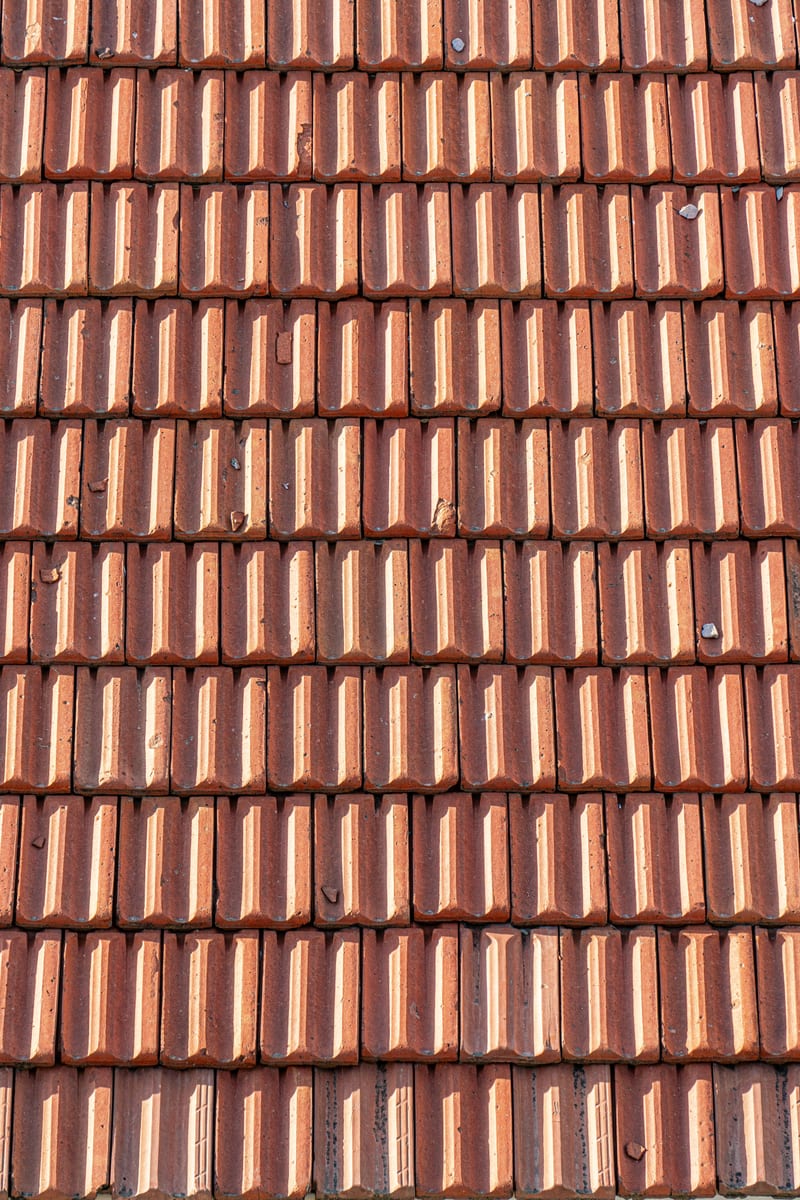
01Visible tile damage is one layer of the diagnosis.
02A local repair needs clear perimeter and tie-in details.
03Replacement tile appearance may vary from the existing field.
Decisions before work starts
Tile is the visible surface, but a tile roof depends on several details working together. A cracked or displaced piece may be a limited maintenance item, while moisture below can point to underlayment, flashing, fastening, transition, or drainage conditions. This independent guide helps owners describe what they see, understand the boundaries of a localized tile repair, and compare contractor scopes without treating every cracked tile as a leak or every leak as a full reroof. Do not walk on tile. Use safe ground photos and let a qualified contractor assess roof access.
01
Ask whether the visible damage is limited to a tile or exposes a problem in the layers and details beneath it.
02
Define the rows, courses, transition, or penetration included and how the repair ties into surrounding work.
03
Ask which tiles can be safely reused, how replacement units are selected, and how color or profile differences are handled.
04
The scope should explain what can only be judged after tiles are lifted and how hidden findings are approved.
Read the whole roof assembly
Use the numbered layers to compare a proposed scope with the conditions found during inspection or opening.
The visible tile sheds weather; its profile, condition, and compatibility still need field review.
Confirm the attachment method used by the selected tile system. This drawing does not prescribe spacing or fastener patterns.
The concealed water-management layer must connect correctly at laps, valleys, penetrations, and transitions.
Inspect exposed areas for condition and obtain approval before concealed repairs expand the scope.
Check the roof edge, metal transition, and fascia condition before the completed covering hides access.
From the roofing journal
Plan access and replacement materials before a small tile repair becomes a matching problem.
Read this article →A useful first conversation
Use this site's checklist to organize the facts you can safely collect. The roof assembly, concealed condition, and repair limits need a qualified professional's review.
Photograph visible displacement or breakage only from a safe ground position.
Record the closest ridge, valley, wall, vent, or roof edge.
Print or mark items in your browser. Nothing is submitted.
Go one layer deeper
GUIDE / 01
Understand the questions that separate visible tile damage from a deeper repair.
Read the guide →GUIDE / 02
Define the opening, tie-in, handling, and closeout before work begins.
Read the guide →GUIDE / 03
Normalize tile counts, roof layers, access assumptions, and hidden-condition rules.
Read the guide →Before you approve
Not by itself. It deserves evaluation, but the condition of the underlying water-shedding details and the location of the damage matter.
A contractor can explain what is visible before work and what can be checked when the area is safely accessed or opened. Ask for those limits in writing.
Profile, material, weathering, and availability affect appearance. Ask how compatibility is confirmed and what visual difference to expect.
No. Tile can break underfoot and roof access creates fall risk. Use binoculars or zoomed ground photos and leave roof access to qualified workers.
Send the useful views
Start with a wide photo, a close view of the visible condition, the property city, and the repair history. Stay off the roof and keep clear of wet electrical equipment or damaged ceilings.
In the form, choose Inspection under Service needed and describe the roof condition. A request is for review; it does not confirm an appointment or authorize work.
For more than one picture, text your views and description to 619-912-0486. The form accepts one optional attachment.
When site verification is needed, AWC recommends the $250 Site Evaluation + Written Bid Package. The $250 is credited if the proposed work is approved within 30 days. Confirm the evaluation terms before scheduling.
Open the AWC request form in a separate page →
How AWC handles your request